Why I’m Here
My path to being a therapist started at a small crisis line in New York City many years ago. I would sit in this little room, sometimes overnight, talking to people from around the city and country who felt alone and were looking for support. Whatever they were calling about — breakups, trauma, financial stress, thoughts about suicide — the phone calls would feel like these intimate bridges between worlds. A stranger would invite me, another stranger, into their pain and heartache, and we’d have a real conversation about their life.
I found these small moments of anonymous connection over the phone deeply moving. Even years later, I remember many of these conversations and the voices I encountered. I learned a lot from the people I talked to — about all the varied ways that the world can bear down on us as well as the power of real listening and connection (even if brief). I learned, too, about real strength and vitality, and that people are more than their suffering.
While I’ve worked in different settings, in multiple cities, and with people of varying backgrounds and life circumstances, I always come back to these lessons.
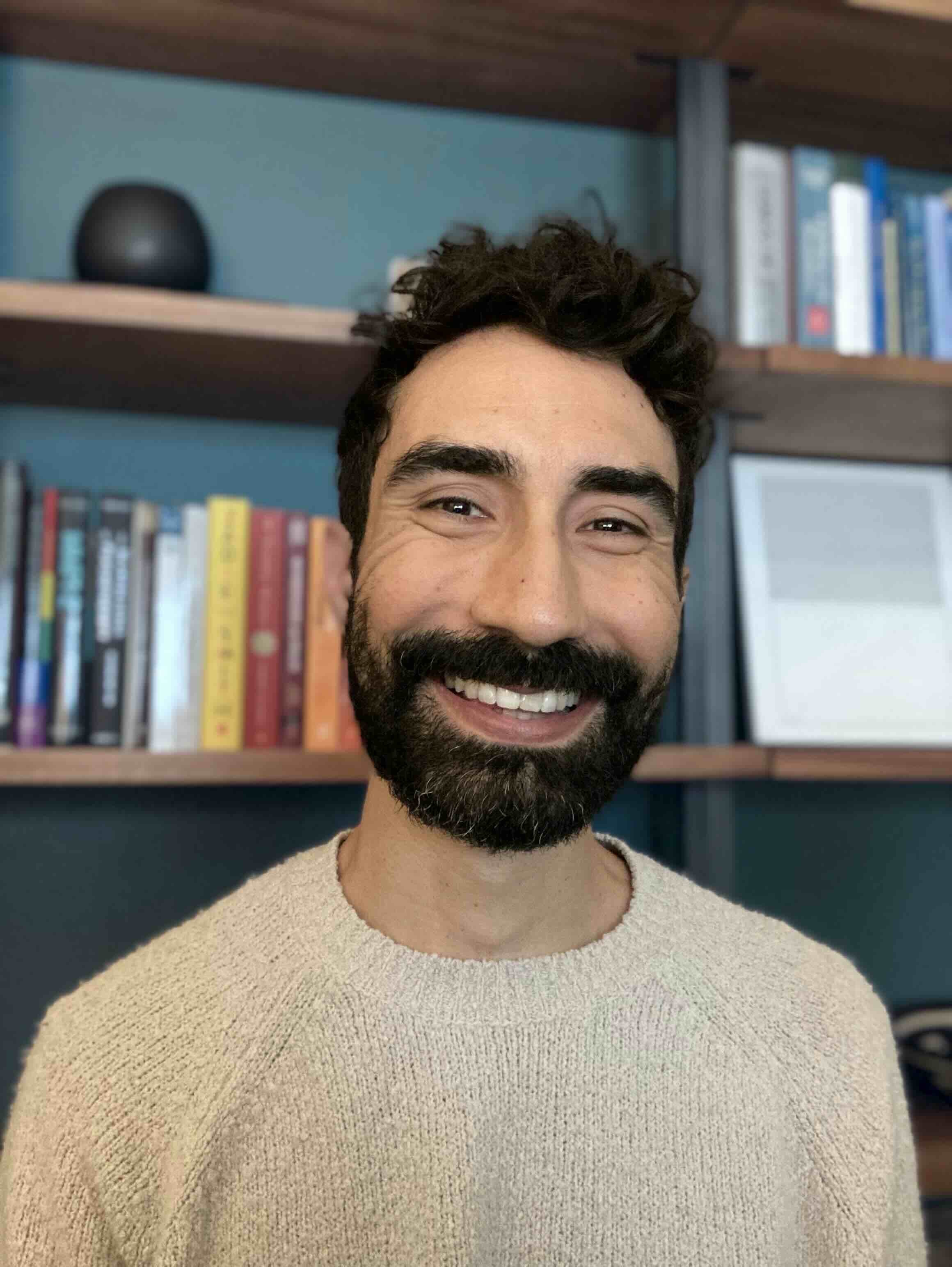
From my office in Los Angeles, CA
As someone familiar with experiences of being an outsider — of having identities that fit and others that don't, of feeling pressure to quiet parts of myself over others — I'm especially committed to giving space for people to experience all of themselves. To listen for those quieter parts of us that maybe don't get as much air or water, or those parts that are subdued by shame, guilt, oppression, or fear. Identity is complex and multifaceted, and we all contain multitudes.
I’m passionate about understanding how our lives, including our inner mental lives, are intertwined with the world around us. The ways we live and what we struggle with — how we come to feel, to think, to be — reflect not only our own individuality but also the environments in which we were raised. What we’ve had to face, what we’ve inherited, and who we are as people are all entangled in a complex swirl of moving parts. Therapy can step into this dance and give us a chance to witness this process, understand some of the drivers of our distress, and claim some agency in how we wish to live.
What Motivates Me
My foundational interest in interpersonal dynamics contributes to my passion for relational and psychodynamic approaches. These approaches recognize that human life is messy and interconnected. We’re born into relationships and social systems, and our psyches are formed within these contexts. Parts of us — certain emotions, identities, ways of expressing ourselves, and so on — may be nurtured and valued by these contexts, while others are not. Understanding these contexts and histories can help us better understand ourselves and why we feel the way we do.
Even when addressing more “concrete” problems, a psychodynamic approach puts special emphasis on this kind of deep exploration and reflection. For example:
How are we affected by the people and environments around us?
How have we come to be the way we are?
How do we express our feelings, needs, wants, and identities while managing the world around us?
Through deep listening and warm curiosity, I hope to provide space for people to become more in touch with all of themselves and their experience of the world. Together we can clarify the stuck points that you experience and begin to provide a roadmap for moving forward in new, empowering ways.
How I Work

Part of understanding ourselves as dynamic and relational — as embedded in the world — is acknowledging the reality of the world around us. As a therapist, I feel that it’s important to consider the dynamics and systems that appear in and impact your life. Whether that means, for instance, talking about your working conditions or your experiences with racism and sexism, I’m interested in exploring the material and social dynamics that bear on your distress.
That’s not to say that I expect us to see the world identically. It just means that I’m interested in knowing how you experience the world and in exploring the parts of your distress that relate to the world outside of you. People often find it relieving and empowering to engage in this process of acknowledging the systems and social conditions that bear on their struggles. This naming and exploration can lift the weight of shame, identify ways to pursue relief in our environments, and help us envision new ways of being in the world.
I do not shy away from acknowledging the world as it is.
Some Other Details About Me
-
I received my PhD in Clinical Psychology from The Catholic University of America, where I focused on studying approaches to care for people who think about suicide. While there, I deliberately sought training in diverse care settings to learn how to best support people facing varied life circumstances and mental health concerns. I’ve trained in a community mental health center, an inpatient psychiatric hospital, a large multi-site private practice, as well as public and private university counseling centers.
-
My internship and postdoctoral fellowship were completed at UCLA’s counseling service. Since graduating, I’ve constantly pursued ways to expand my knowledge and effectiveness, while always keeping in mind that the people I work with are the best experts on their own lives.
-
Since 2024, I’ve been grateful to have the opportunity to contribute to the clinical education of brilliant, impassioned doctoral students at Mount Saint Mary’s University in Los Angeles. As an adjuct faculty member, I’ve taught courses on emotion, group interventions and dynamics, and contemporary clinical theory.

Request a Consultation
Send me a message about your interest in working together, and I’ll get back to you within 24-48 hours to schedule a free consultation.